Most people water their plants when they remember to. That’s the problem. Inconsistent watering stresses plants, wastes water, and quietly kills lawns and gardens over time. If you’ve watched a garden struggle despite your best efforts, the fix might be simpler than you think.
What is an irrigation system? It’s a network of pipes, valves, and emitters that delivers water directly to plants, lawns, or crops on a controlled schedule. It removes guesswork from watering and makes sure every plant gets the right amount of water, at the right time, without waste.
What is an irrigation system, and how does it work?
An irrigation system is a structured setup that moves water from a source, like a municipal supply or a well, to plants through a series of pipes, valves, and outlets. The system is controlled manually or by a timer, delivering water to specific zones. Most residential systems run on 20 to 30 PSI of water pressure.
At its core, the system works in three stages: water intake, distribution, and delivery. A backflow preventer protects your water supply, a pressure regulator keeps the flow steady, and emitters or sprinkler heads release water at ground level or above. A basic controller (timer) automates the whole process so you don’t have to think about it.
Modern systems can connect to soil moisture sensors and weather-based smart controllers. These tools adjust watering schedules based on real-time data, like rainfall or soil saturation, which reduces runoff and prevents overwatering.
Different kinds of irrigation systems are great for gardens.
There are several kinds of irrigation systems, and each one has a different job. The type of plant, soil, and climate all play a role in choosing the proper one.
Irrigation on the Surface
This is one of the oldest ways of irrigation. Gravity pulls water through the soil. Farmers commonly use this in big fields. It’s easy to use, but if you don’t take care of it, it wastes water.
Irrigation using sprinklers
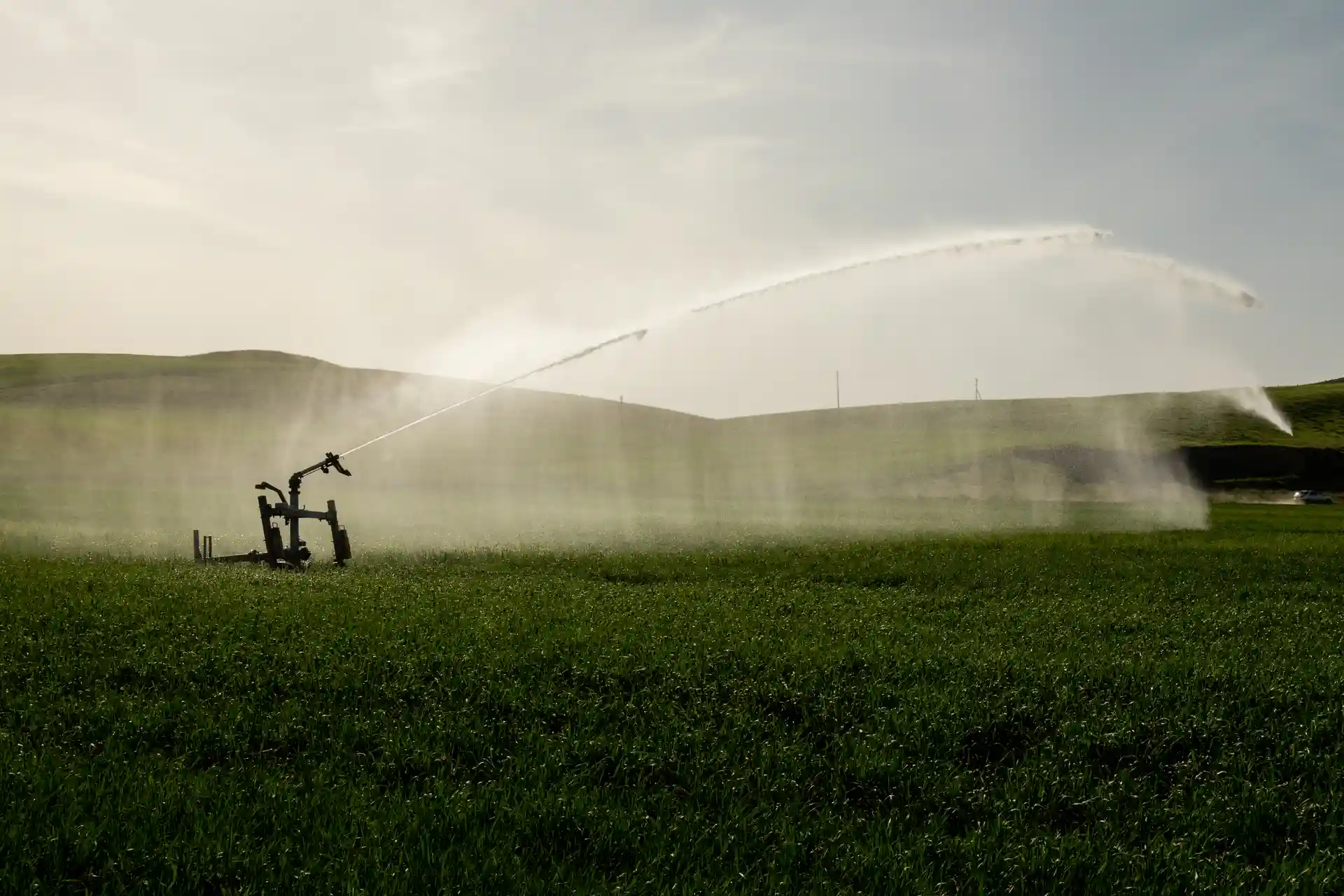
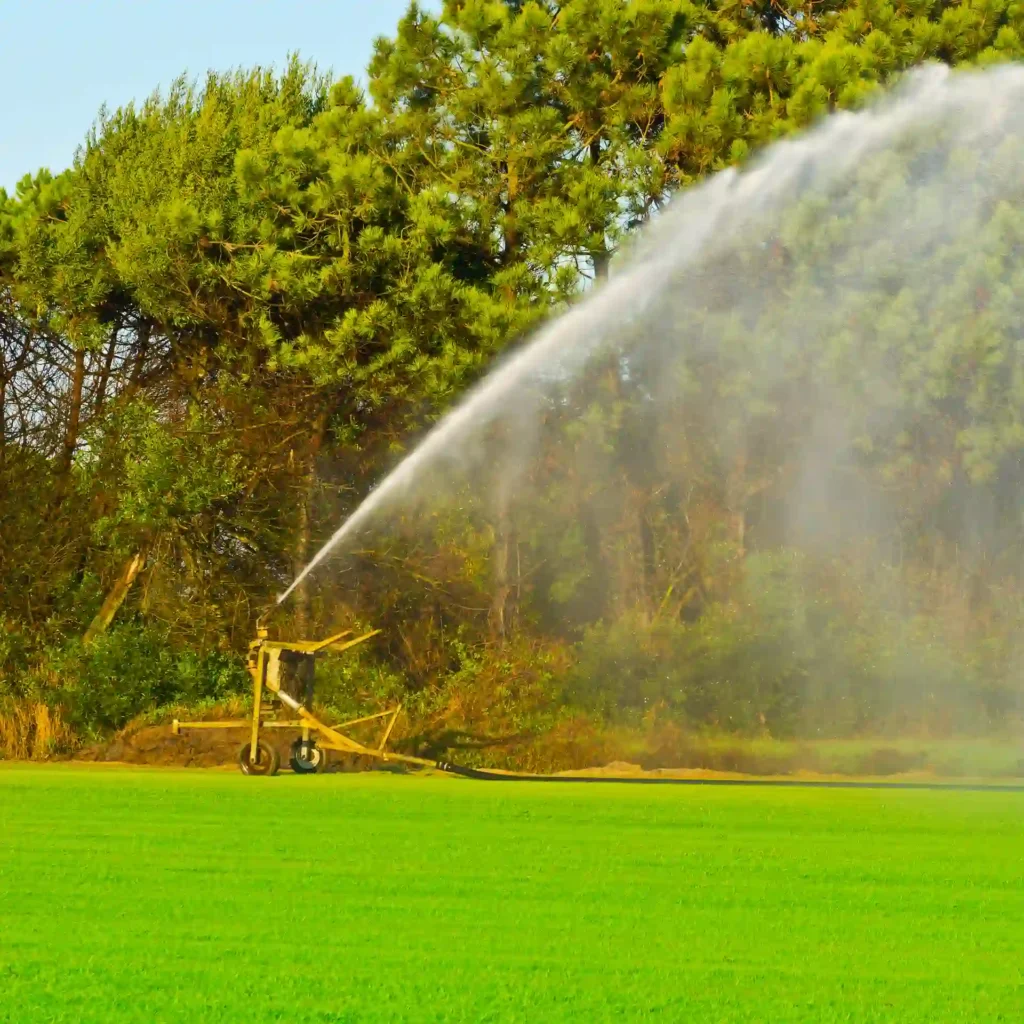
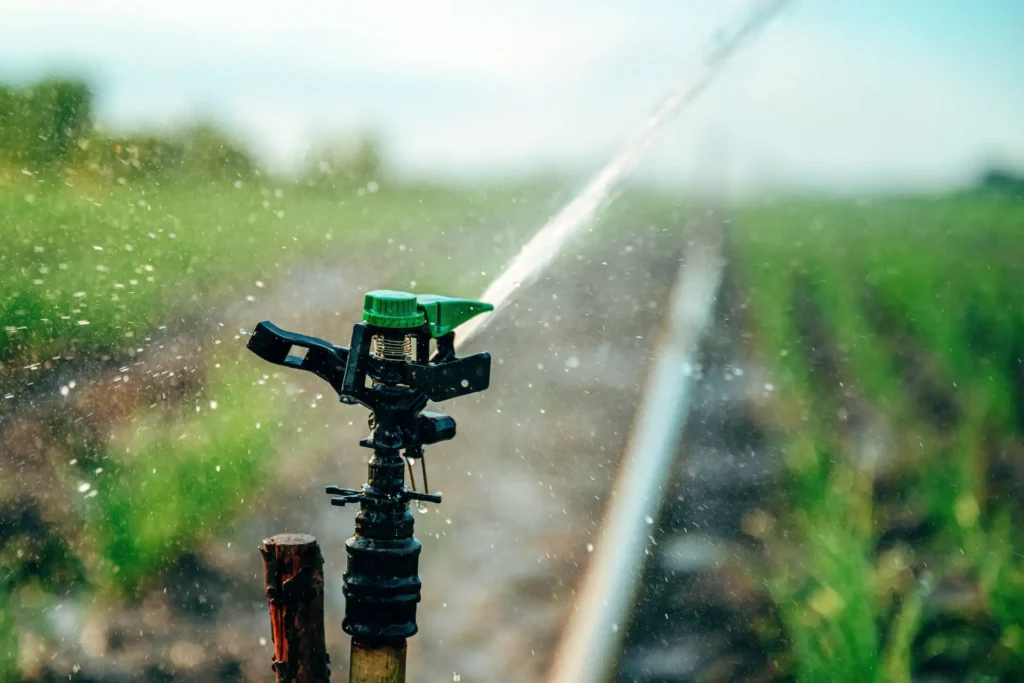
Like rain, sprinklers blast water into the air. This kind is common for gardens and lawns. It does a good job of covering everything, though wind can cause it to lose water.
Irrigation via Drip
Drip systems let water out slowly at the roots of plants. This strategy reduces waste and makes plants healthier. Many experts call it the most efficient irrigation system for gardens.
Irrigation underneath the surface
Water is sent below Earth’s surface. Roots take in water directly. This keeps leaves dry and slows down evaporation.
There are good and bad things about each choice. Knowing these things will help you make a good choice.
The Secret Weapon of a Garden: Drip Irrigation
Drip irrigation is the most water-efficient option for home gardens, and it’s not even close. According to the U.S. Environmental Protection Agency, drip systems can be up to 90% efficient, compared to 50 to 70% for conventional sprinklers.
For a drip irrigation system for tomato plants, you’d run half-inch mainline tubing along each row, then use quarter-inch feeder lines with 0.5 to 1 GPH emitters at each plant base. Tomatoes need deep, infrequent watering, so a twice-weekly schedule of 30 to 45 minutes works well in most climates.
Drip irrigation in maize is equally effective. Farmers using subsurface drip irrigation for maize report water savings of 30 to 50% compared to surface methods, while maintaining or even improving yields. Underground drip irrigation in maize fields also suppresses weeds because the soil surface stays dry.
A Simple Explanation of Parts of Irrigation Systems
Knowing the parts of irrigation helps you maintain your system better. Most systems have the same basic parts.
Water source: a city line, a well, or a tank
Pipes: Move water between areas
Valves: Manage the flow of water
Controller: Sets times for watering
Sprinklers or emitters: Bring water
Regulators and filters: Keep components of the system safe
These parts of irrigation work together to ensure that water reaches where it needs to go safely and evenly. A malfunction in one element of the system impacts the whole system.
Managing water use well in irrigation systems
Water efficiency isn’t just good for the environment. It saves money. The average American household spends about $1,000 per year on water, and roughly 30% of that goes to outdoor use, according to the EPA.
A few practices that actually make a difference:
Schedule by zone, not by property. Grass needs different watering than flower beds. A single schedule for everything leads to overwatering or underwatering in at least one area.
Use the 30/30 rule for irrigation. Water for 30 minutes, pause for 30 minutes, then water again. This lets water soak in rather than run off, especially useful on slopes or clay-heavy soils.
Time irrigation to early morning. Watering between 4 AM and 8 AM reduces evaporation significantly. Midday watering can lose up to 30% of water to evaporation before it reaches roots.
Install a rain sensor. A $20 to $40 rain shut-off device can prevent your system from running during or after rainfall. Some municipalities require them by code.
Things to think about when picking a lawn irrigation system
Planning ahead is necessary to pick the proper system. Not every lawn needs the same kind of setup.
First, think about the size and shape of your grass. Sprinklers with zones are often needed for big lawns. Drip or hose systems could be all that small lawns need.
The type of soil is also important. Sandy earth drains quickly. Clay keeps water longer. The type of plant and how much sun it gets also determine how much water it needs.
Local laws about water use can limit when you can water. A skilled installer can help you find the correct solution for your lawn.
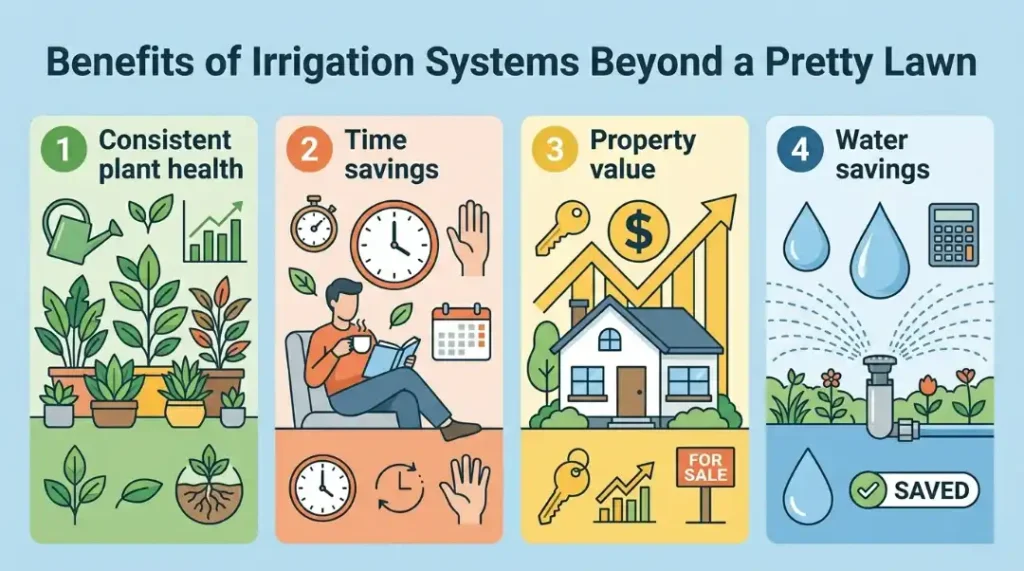
Benefits of Irrigation Systems Beyond a Pretty Lawn
The obvious benefit is a green lawn. But the real advantages go deeper.
Consistent plant health. Plants watered on a schedule grow stronger root systems. Erratic watering stresses plants and makes them more vulnerable to disease and pests.
Time savings. Automated systems run without you. That’s hours per week returned to your schedule across a growing season.
Property value. A well-maintained landscape can add 10 to 15% to a home’s resale value, according to studies cited by the American Society of Landscape Architects.
Water savings. Smart irrigation systems cut outdoor water use by 20 to 50% compared to manual watering, according to the Irrigation Association.
Weed control. Drip and sub surface irrigation systems water only the root zone, not the spaces between plants where weeds germinate. Less bare wet soil means fewer weeds.
How irrigation systems affect society and the environment
Agriculture uses about 70% of the world’s freshwater, according to the United Nations Food and Agriculture Organization. Irrigation efficiency directly affects food security, water availability, and environmental health.
Poorly designed systems contribute to soil salinity, erosion, and groundwater depletion. Subsurface drip irrigation and precision irrigation designs are part of the shift toward sustainable agriculture, especially in water-stressed regions.
On a residential level, widespread adoption of smart irrigation controllers and drip systems could save billions of gallons annually across the United States alone. That’s not abstract. It means lower water bills, less strain on municipal supplies, and healthier local ecosystems.
Irrigation Systems in Contemporary Agriculture
Flood irrigation is no longer used in modern farming. Today’s big farms use pivot systems, subterranean drip networks, and sensor-driven controllers to move water around across thousands of acres.
In places where water is expensive or hard to get, drip irrigation is now used for maize and other row crops. Farmers who have resorted to subsurface drip irrigation for maize say that it has helped them avoid diseases since the leaves stay dry, and they have seen quantifiable increases in production.
Variable rate irrigation (VRI) goes a step further. Based on soil sensors and field maps, systems may change the amount of water they send out in real time, giving each part of a field exactly what it needs. It’s water-based precision farming.
Common Irrigation Problems and How to Avoid Them
The most common irrigation problems are clogged emitters, uneven coverage, broken heads, controller malfunctions, and pressure imbalances. Most issues trace back to poor initial design or skipped maintenance. Regular seasonal checks prevent the majority of failures.
Watch for these signs:
- Dry patches on lawns often mean a clogged head or low pressure in that zone.
- Soggy areas indicate overwatering, a broken valve that won’t close, or poor drainage.
- Water pooling near heads usually means a cracked line underground.
- Emitters dripping slowly or not at all point to sediment buildup, fixable with a filter flush.
Schedule a system check every spring before the season starts. Clear debris from heads, test each zone manually, and look for signs of winter damage. A 30-minute check saves hours of repairs later.
Trends and new ideas for irrigation systems in the future
New technology keeps making irrigation better. Smart controllers can now get weather data.
AI-powered technologies adjust water levels in real time. Sensors monitor soil health and moisture levels.
More and more people are using recycled water systems. These lower the need for fresh water.
The future is all about accuracy, efficiency, and sustainability.
Choosing the Best Irrigation System for Your Property or Lawn
There’s no single right answer. A small raised-bed garden needs a simple drip kit. A half-acre lawn needs a multi-zone in-ground system with a smart controller. A farm growing maize in a dry climate needs subsurface drip irrigation with soil sensors.
Start with these three questions:
- What am I watering, and how much water does it need?
- How large is the area, and what’s the layout?
- What’s my budget for installation and ongoing maintenance?
Match the system to those answers, not to what looks impressive or what’s on sale. The best irrigation system is the one that fits your specific situation. If you’re looking for reliable Irrigation System Services in Whittier, working with a local professional ensures your system is sized, designed, and installed correctly for your property’s exact needs.
Why Choose Robert’s Complete Care
At Robert’s Complete Care, we make sure that the irrigation systems we build for your property work with it, not against it. Our crew knows what the soil, weather, and plants need in your area.
We employ tested materials and easy-to-understand layouts. No guesswork. No water wasted.
We focus on long-term results from design to installation and upkeep. It’s important to have healthy plants and decrease water expenses.
We help homes and businesses avoid costly mistakes.
Conclusion
If you know what is a irrigation system is, you can save time and water while watering your plants the appropriate way. With the right system, it’s easier to keep lawns and gardens healthy.
Contact us Robert’s Complete Care immediately to get an irrigation system created for your property. They are experts at design, installation, and repairs.
FAQs
What is the best irrigation for dahlias?
Drip irrigation or soaker hoses work best for dahlias, delivering 1 to 2 inches of water weekly at soil level while keeping foliage dry to prevent mildew.
What are the 4 types of irrigation systems?
The four main types are drip irrigation, sprinkler irrigation, surface irrigation, and subsurface drip irrigation. Each suits different landscapes and plant needs.
What is the most commonly used type of irrigation?
Sprinkler irrigation is the most widely used type for lawns and landscapes. Drip irrigation is growing rapidly in vegetable gardens and agriculture due to its efficiency.
What are the most common irrigation problems?
Clogged emitters, uneven coverage, broken sprinkler heads, and pressure imbalances are the most frequent issues. Most stem from skipped maintenance or poor initial design.
What is the 30/30 rule for irrigation?
The 30/30 rule means watering for 30 minutes, pausing 30 minutes to let water absorb, then watering again. It reduces runoff, especially on slopes or dense soils.
How do I do water irrigation for an impacted stool?
Medical irrigation for impacted stool is handled by a healthcare provider using a warm water enema or suppository. It’s not a home DIY situation. Consult a doctor or gastroenterologist for safe guidance.