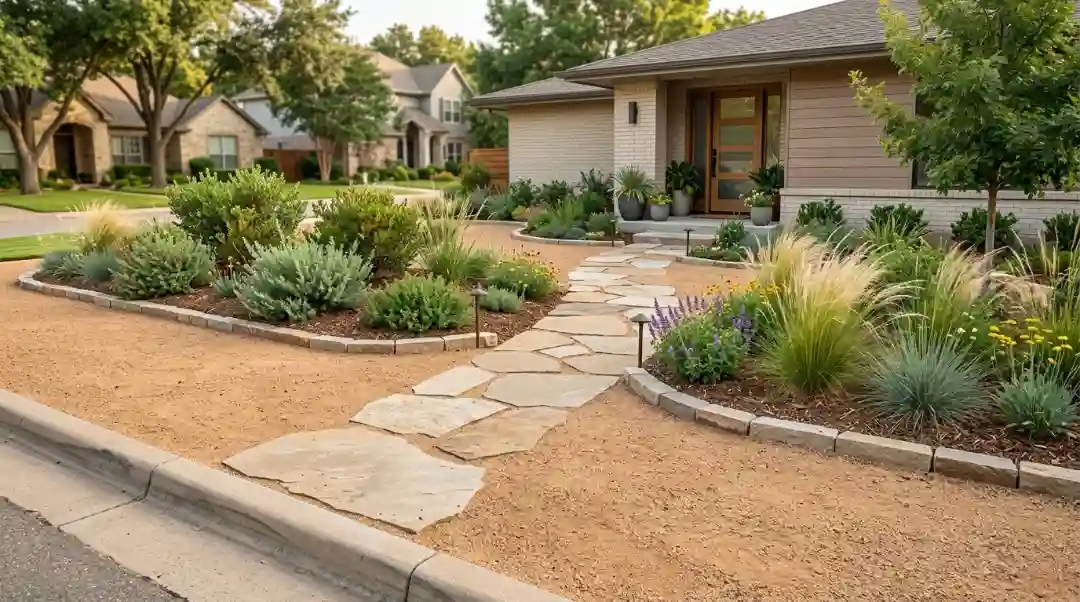
Most individuals want their front yard to look nice without taking up all their free time. You already know how annoying it is to mow, water, and weed your lawn, which never seems to end. The truth is that a pretty front yard doesn’t have to mean a lot of work all the time. The correct low-maintenance front yard landscaping ideas can cut your yard effort in half or more.
This article has useful tips for every budget, from basic plant swaps to complete hardscaping plans. No matter if you’re beginning from scratch or want to change things up, you’ll find something here that works for your space, your climate, and your schedule.
What Makes a Front Yard Truly Low Maintenance?
A truly low-maintenance front yard relies on three things: the right plants for your climate, smart ground coverage that blocks weeds, and hardscaping that does not need seasonal attention. When these three elements work together, you spend minutes per week on upkeep instead of hours.
Think of it like building a system. Each plant, rock, and pathway plays a role. When everything is chosen with purpose, the yard practically runs itself.
The biggest mistake most homeowners make is choosing plants they love the look of, without checking if those plants suit their local soil and rainfall. That one decision leads to more watering, more fertilising, and more replacement plants every season.
Use Rocks and Mulch for a Beautiful, Low-Maintenance Front Yard
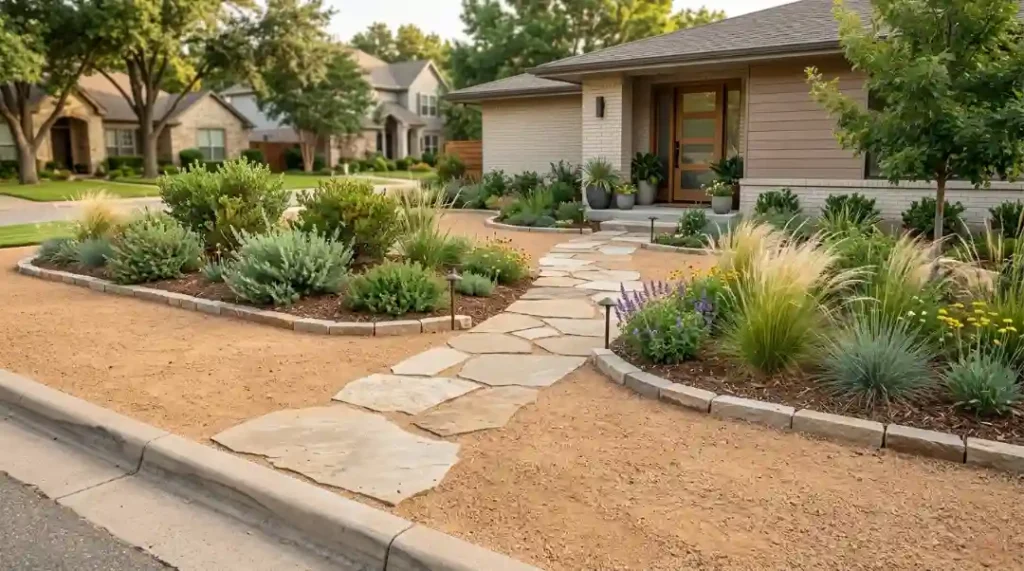
Rocks and mulch are two of the most useful things you can use to make your yard seem nice without having to do a lot of work. They keep weeds from growing, preserve moisture in the soil, and make your yard look neat with little to no work.
You need to refill your mulch once a year. Rocks don’t need to be taken care of for years. Both are far better than bare soil, which lets weeds grow and dries up quickly.
Put a layer of garden cloth under your rock or mulch beds to make them look more polished. This stops weeds from growing at the root level before they even start.
Popular Options for Low-Maintenance Landscape Materials
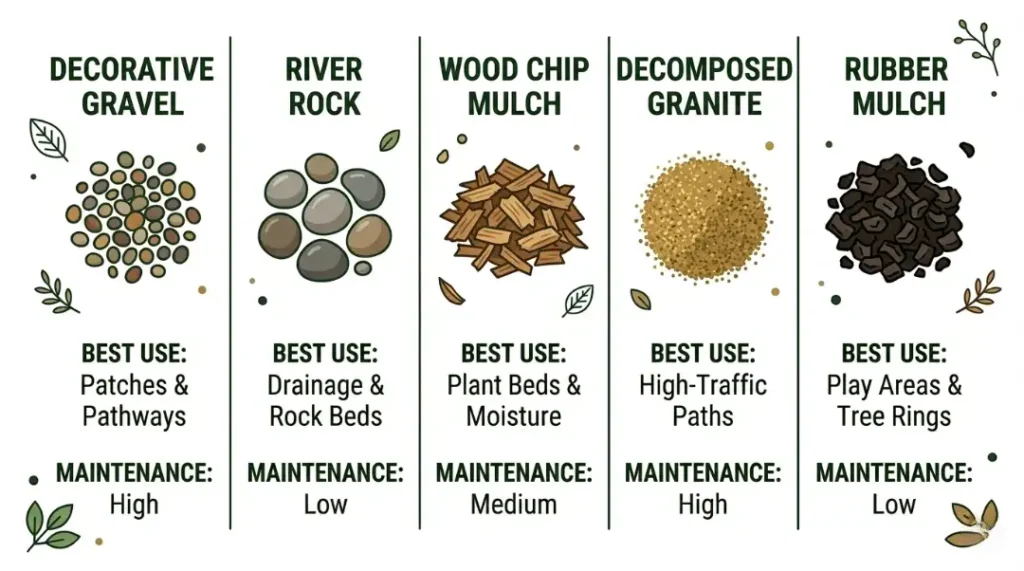
| Material | Best For | Maintenance Level | Avg. Cost Per Sq. Ft. |
| Decorative gravel | Pathways, borders | Very Low | $1–$3 |
| River rock | Dry creek beds, focal areas | Very Low | $2–$5 |
| Wood chip mulch | Plant beds, tree rings | Low (annual refresh) | $0.50–$1.50 |
| Decomposed granite | Driveways, open zones | Low | $1–$3 |
| Rubber mulch | Play areas, slopes | Very Low | $3–$6 |
Designing Your Front Yard for Minimal Effort
Good design is what separates a yard that looks planned from one that just looks neglected. You do not need a landscape architect to get this right.
Start by reducing the size of your lawn. Every square foot of grass you replace with gravel, ground cover, or hardscaping is one less area to mow and water. Even replacing 30% of your lawn makes a visible difference in time spent.
Group plants by water needs. This is called hydrozoning, and it’s one of the most practical things you can do. When thirsty plants and drought-tolerant plants share the same zone, one group always suffers.
Hardscaping Ideas That Require Zero Watering
Rocks and mulch are two of the most useful things you can use to make your yard seem nice without having to do a lot of work. They keep weeds from growing, preserve moisture in the soil, and make your yard look neat with little to no work.
You just need to refill your mulch once a year. Rocks don’t need to be taken care of for years. Both are far better than bare soil, which lets weeds grow and dries up quickly.
Put a layer of garden cloth under your rock or mulch beds to make them look more polished. This stops weeds from growing at the root level before they even start.
Trade Your Front Yard Lawn for Edibles
Replacing grass with edible plants is one of the most creative easy landscaping ideas you can try. Dwarf fruit trees, herb borders, and low-growing berry plants give your yard seasonal interest and something useful in return.
Dwarf citrus trees lemon, orange, or fig work well in smaller front yards. They add verticality, produce real fruit, and need far less water than a maintained lawn. Just choose varieties suited to your USDA Hardiness Zone.
Herb borders along pathways are another smart move. Lavender, rosemary, and thyme are tough plants that smell great, require almost no water once established, and naturally deter pests.
Low Maintenance Front Yard Landscape Ideas on Any Budget
You do not need a big budget to get results. Here’s a realistic breakdown:
Under $300 Simple Swaps That Work
- Replace one lawn section with wood chip mulch and two or three drought-tolerant shrubs
- Add landscape fabric under existing garden beds to cut weeding time in half
- Plant creeping thyme or clover between stepping stones for a natural, no-mow look
$300–$1,000 More Coverage, Less Grass
- Install a gravel pathway with stone edging from the street to your front door
- Add a mix of ornamental grasses and native perennials to replace part of your lawn
- Use river rock to build a dry creek bed that also manages rainwater runoff
$1,000–$3,000 Full Low-Maintenance Makeover
- Replace the entire lawn with decomposed granite, flagstone paths, and native plant groupings
- Install a drip irrigation system to automate watering for remaining plants
- Add a low stone retaining wall to frame the yard and stop soil erosion
Best Plants for a Low Maintenance Front Yard
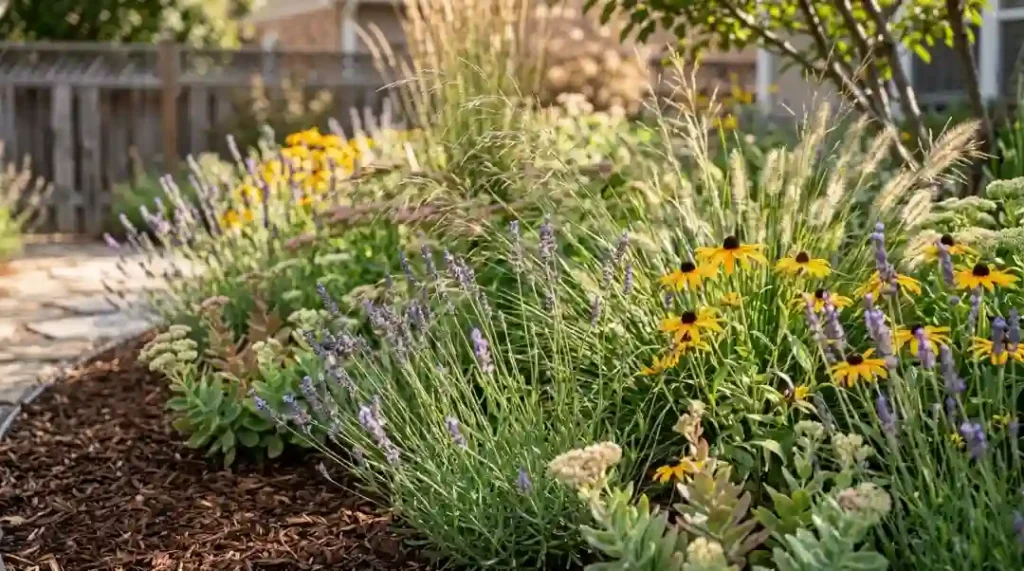
Plant selection is the single most important decision you’ll make. Choose wrong, and you’re constantly watering, replacing, and managing. Choose right, and the plants do the work for you.
Drought-Tolerant Perennials
Perennials come back every year without replanting. That alone makes them worth the initial investment.
Top picks:
- Lavender fragrant, deer-resistant, thrives in dry conditions
- Black-eyed Susan bright yellow blooms, needs little water after the first season
- Sedum (Stonecrop) spreads naturally, handles poor soil, very low water
- Russian Sage tall, airy, and almost completely self-sufficient
Native Plants by Region
Native plants are already adapted to your local rainfall, soil, and temperature swings. They need far less intervention than imported species.
- Northeast US: Wild columbine, coneflower, little bluestem grass
- Southeast US: Muhly grass, beautyberry, native azaleas
- Southwest US: Agave, desert marigold, penstemon
- Pacific Northwest: Oregon grape, red flowering currant, sword fern
Ornamental Grasses for Year-Round Appeal
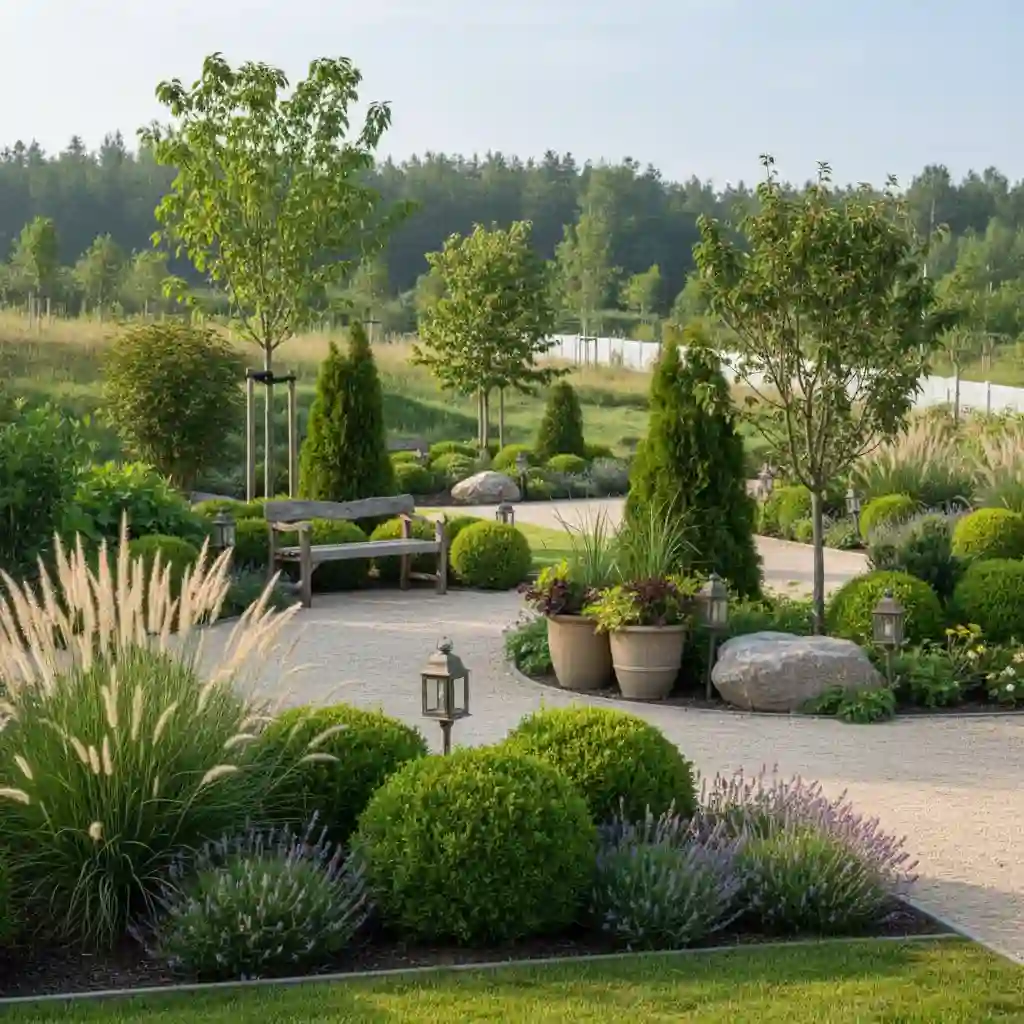
Ornamental grasses are one of the best front yard ideas without grass lawns. They move in the wind, add texture, and stay attractive through winter when most plants look bare.
Calamagrostis ‘Karl Foerster’ is a standby for good reason. It grows upright, holds its form through cold months, and comes back reliably each spring. Feather reed grass and fountain grass work well in mass plantings along borders or walkways.
Ground Cover Plants to Replace Grass
Ground covers are low-growing plants that spread to fill space. They block weeds, require no mowing, and look intentional.
Good options include creeping thyme, which produces small purple flowers and handles light foot traffic. Creeping phlox gives a carpet of spring color. Ajuga spreads quickly in shaded areas and stays green through most of the year.
Lawn Alternatives: Front Yard Ideas Without Grass
Grass-free front yards are growing in popularity and for good reason. They save water, reduce weekly mowing time, and often look more unique than a standard lawn.
Xeriscaping Done Right
Xeriscaping is the art of making a yard with plants and materials that don’t need much water. It works best in dry, hot places, but it may be used wherever saving water is important.
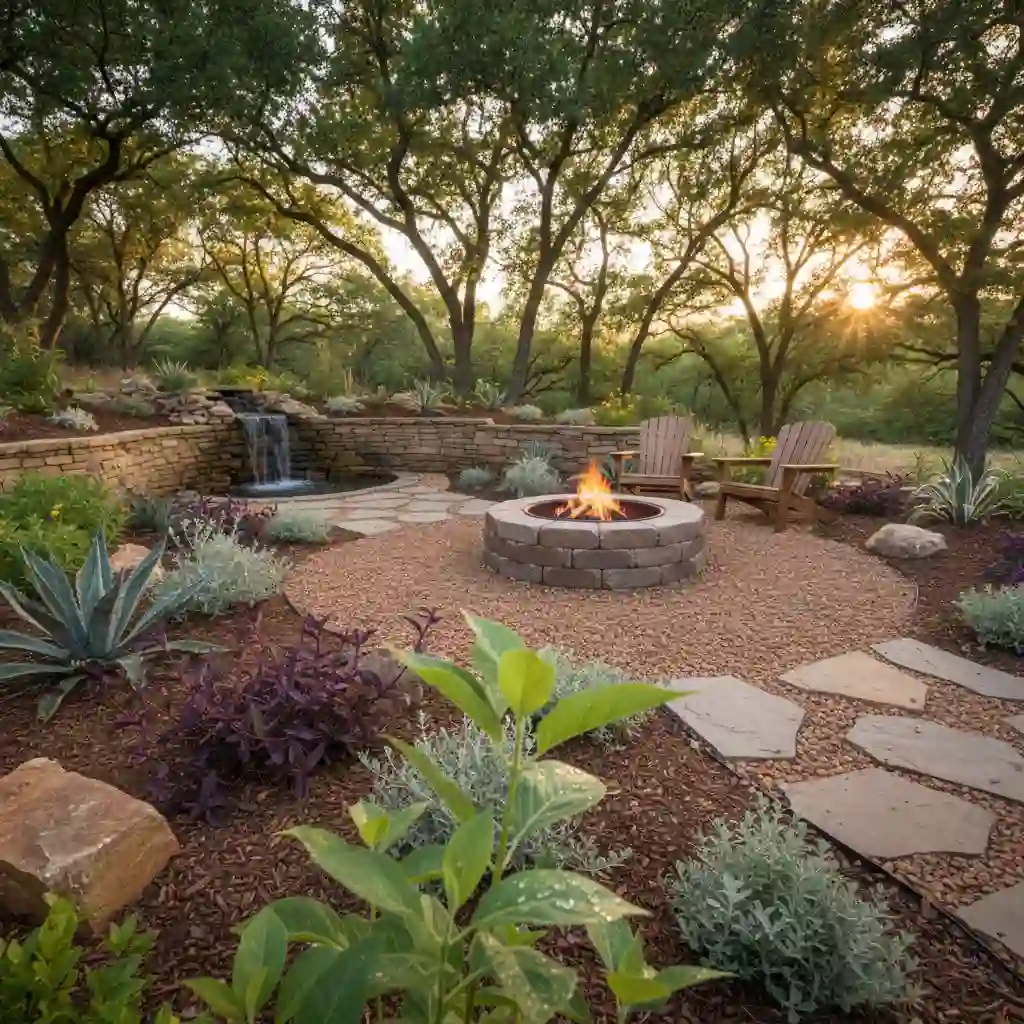
A typical xeriscape arrangement has a layer of decomposed granite or gravel as the ground base, low-water native plants organized by size and texture, and rock or stone accents to make the space look more structured. The end effect is a sleek, modern design that doesn’t need much watering.
Clover and No-Mow Grass Options
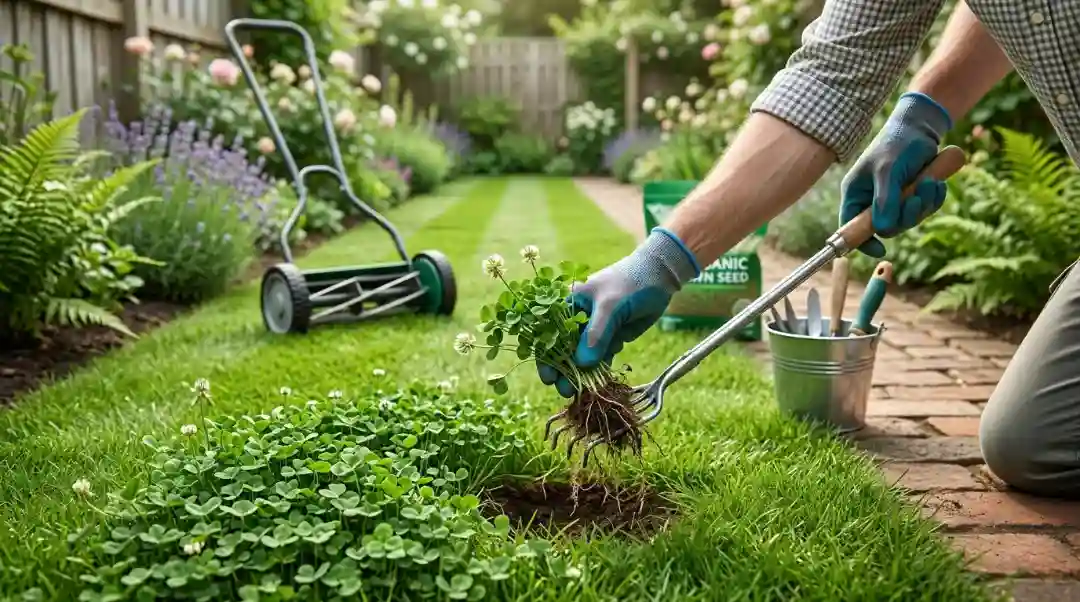
White clover is one of the most practical grass alternatives available. It stays green without fertilizer, fixes nitrogen in the soil naturally, and attracts pollinators. It handles light foot traffic well and only needs mowing two to three times per year.
No-mow grass blends often a mix of fescues grow slowly and require cuts only a few times each season. They work well in cooler climates and give a naturalistic, meadow-like look.
Seasonal Maintenance Calendar for Low-Effort Front Yards
Even a low-maintenance yard needs a little attention at the right times. This simple calendar keeps everything on track.
| Season | Task |
| Spring | Refresh mulch, divide overgrown perennials, check drip irrigation lines |
| Summer | Deep water drought-stressed plants once a week, spot-treat any weeds |
| Fall | Cut back ornamental grasses, add compost to plant beds |
| Winter | Cover sensitive plants if frost is expected, clear debris from stone paths |
Common Mistakes to Avoid With Low-Maintenance Landscaping
Choosing the wrong plants for your climate zone. This is the most common and most costly mistake. Always check your USDA Hardiness Zone before buying anything.
Skipping landscape fabric under gravel. Without it, weeds push through within one season. Fabric is cheap upfront and saves significant time later.
Overplanting to fill space quickly. Plants need room to grow. Crowded plants compete for water and nutrients and end up needing more intervention.
Ignoring drainage. Poor drainage leads to root rot, dead plants, and soil erosion. Make sure pathways and rock beds direct water away from the foundation.
Planting high-water plants near drought-tolerant ones. They have different needs. Mixing them means one group always gets the wrong amount of water.
Landscaping Maintenance in Whittier
If you’re based in the Whittier area and want professional help bringing these ideas to life, Robert’s Complete Care offers full landscaping maintenance services tailored to Southern California’s climate. From plant selection to ongoing yard care, the team handles the work so you don’t have to. It’s one of the most practical ways to get a low maintenance yard without trial and error.
Ready to Transform Your Front Yard?
If you’re in the Whittier area and want a front yard that looks great without the constant upkeep, Robert’s Complete Care is ready to help. From initial design and plant selection to ongoing landscaping maintenance in Whittier, the team brings the experience and local climate knowledge to get it done right the first time. Contact us today and let’s turn your front yard into something you’re proud of without it taking over your weekends.
Frequently Asked Questions
What is the cheapest low-maintenance front yard idea?
Replacing a section of grass with wood chip mulch and two or three drought-tolerant native plants is the most affordable starting point. Materials cost as little as $50–$100, and the result is a clean, weed-resistant bed that needs almost no attention once it’s set up.
What ground cover requires the least maintenance?
Creeping thyme and white clover are two of the easiest ground covers to care for. Both spread on their own, don’t need much water after the first season, and simply need to be trimmed now and then to look neat.
How do I landscape my front yard with no grass?
First, take out the old grass and put down landscape fabric. Then, fill the area with a mix of decomposed granite or gravel, native plants, and clearly marked paths made of flagstone or pavers. This gives you a clean, useful, and water-efficient front yard idea without grass.
What are the best low-maintenance shrubs for the front yard?
Boxwood, knockout roses, dwarf spirea, and barberry are reliable choices. They hold their shape well, tolerate a range of soil conditions, and need pruning only once or twice per year.
How often should low-maintenance landscaping be watered?
Most plants that can handle drought need to be watered every 7 to 14 days in the summer, depending on how much rain and heat there is. A timer-controlled drip irrigation system takes all the guesswork out of it and stops both overwatering and underwatering.
Is a rock yard lower maintenance than grass?
Yes, a rock yard is significantly lower maintenance because it never needs water, fertilizer, or mowing. However, you must use a heavy-duty landscape fabric underneath the rocks to prevent weeds from popping up through the stones.