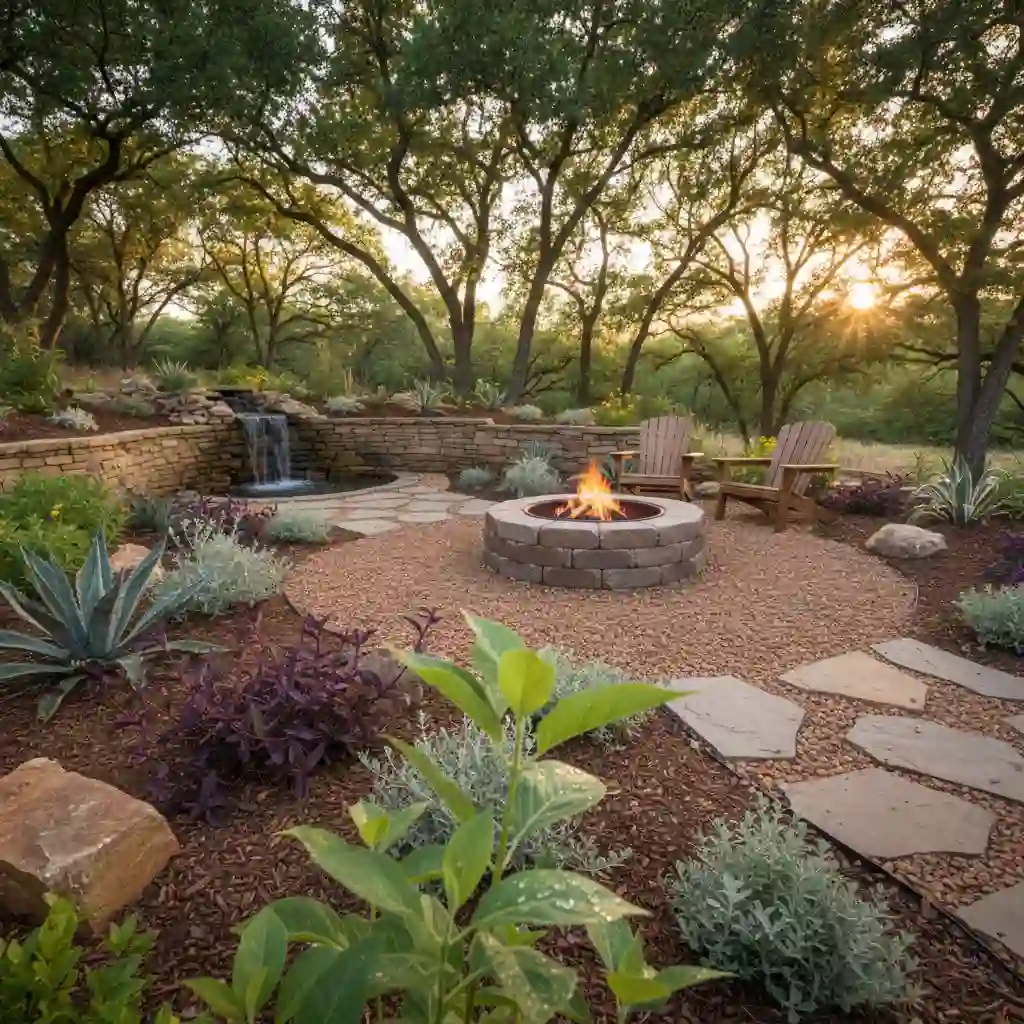
We can all agree on one thing: practically every homeowner wants a pleasant backyard with a fire pit where they can relax, have friends around, and enjoy chilly evenings without leaving home. The problem is that a lot of people don’t go through with it because they think fire pit landscaping is too expensive, too hard, or too full of permission problems. It’s really frustrating, especially when you’re already trying to decide between outdoor enhancements and comparing them like you would enamel and latex paint, trying to get the greatest finish without spending too much.
The good news is that you can have a low-cost fire pit landscape design, and it’s one of the best ways to improve your outdoor space. This guide will show you step by step how to make a fire pit area that is safe, beautiful, and cheap. You’ll find out about true costs, material options, DIY processes, and layout ideas that will help you make a fire pit arrangement that appears expensive but doesn’t cost much.
What Is Low Cost Fire Pit Landscape Design?
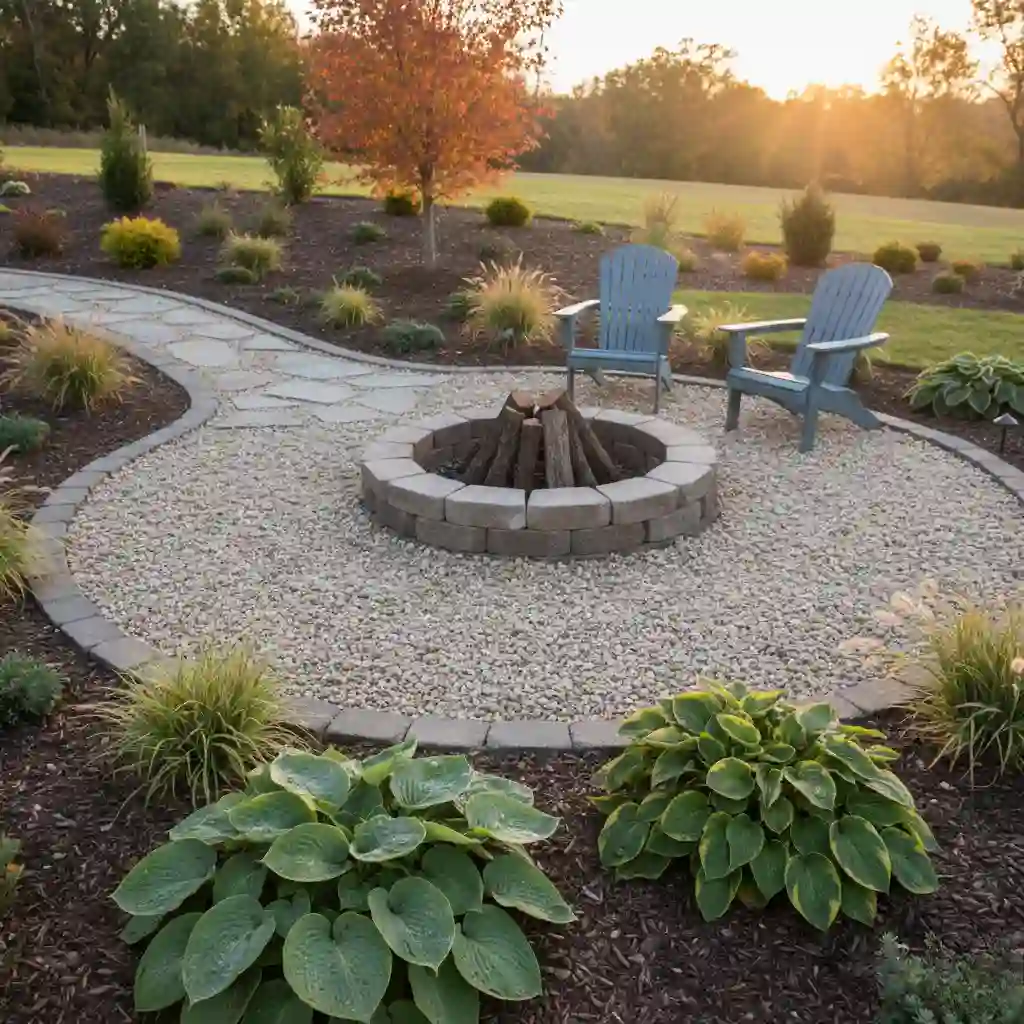
A low cost fire pit landscape design is simply a planned outdoor setup that centers around a fire pit while keeping both construction and material costs as low as possible without sacrificing safety, function, or curb appeal. It’s not about cutting corners. It’s about being smart with your choices.
This means selecting affordable hardscaping materials like gravel, concrete pavers, or recycled brick. It means using a fire pit design that works with your existing yard layout rather than fighting against it. And it means knowing which parts of the project you can DIY and which ones actually save you money in the long run when done by a professional.
Hardscaping vs. Landscaping:
When you plan a fire pit area, you’ll hear both of these words used. Hardscaping is the part of the yard that isn’t alive, including gravel walks, patio pavers, stone edging, and the fire pit structure itself. Plants, grass, shrubs, and trees are all part of landscaping. Hardscaping is your best friend if you want to build a fire pit on a budget. Many hardscaping jobs are great for DIY, and the cost is usually only once and lasts for years.
Knowing the difference between these two things can help you decide how to spend your money. First, use your cash to choose hardscaping materials that will last. Then, add low-maintenance plants around the edges to finalise the effect.
Why Learn How to Design an Outdoor Fire Pit for Your Backyard?
A well-designed backyard with a fire pit does more than just look nice. It extends your outdoor living space into a true second living room, a place where family gathers, where guests linger, and where the evening doesn’t have to end when the sun goes down.
From a real estate standpoint, outdoor fire pits consistently rank among the most desired backyard features for homebuyers. Realtors frequently note that a well-landscaped yard with a fire feature can increase perceived home value and reduce time on the market. More practically, a thoughtfully designed fire pit area gives you a return on investment every single weekend you use it.
And from a purely personal standpoint? There’s something deeply satisfying about creating a space with your own hands that your whole family actually uses.
How Much Does a Budget Fire Pit Really Cost?
One of the most common questions is: “How much does a fire pit cost?” In 2026, the national average for a professionally installed fire pit is around $850, but a savvy DIYer can get the job done for much less. Depending on your choice of materials and the size of the area, you can expect to spend between $200 and $500 for a solid, safe, and beautiful setup.
| Feature | Estimated DIY Cost (2026) | Pro Installation Cost |
| Basic Metal Fire Pit | $50 – $150 | N/A (Portable) |
| Gravel Base (100 sq ft) | $100 – $200 | $300 – $600 |
| Stone/Paver Surround | $150 – $300 | $500 – $1,200 |
| Seating (Thrifted/DIY) | $0 – $150 | $500+ |
| Total | $300 – $800 | **$1,300 – $2,300+** |
Is a DIY fire pit worth it? Absolutely. Most of the cost in professional landscaping goes toward labor and site prep. If you are willing to spend a weekend le
veling the ground and hauling some gravel, you can save over $1,000. For residents looking for expert guidance, our Landscape Design Whittier CA Service can help you plan the perfect layout that fits your budget perfectly.
Choosing the Right Materials for Your Fire Pit
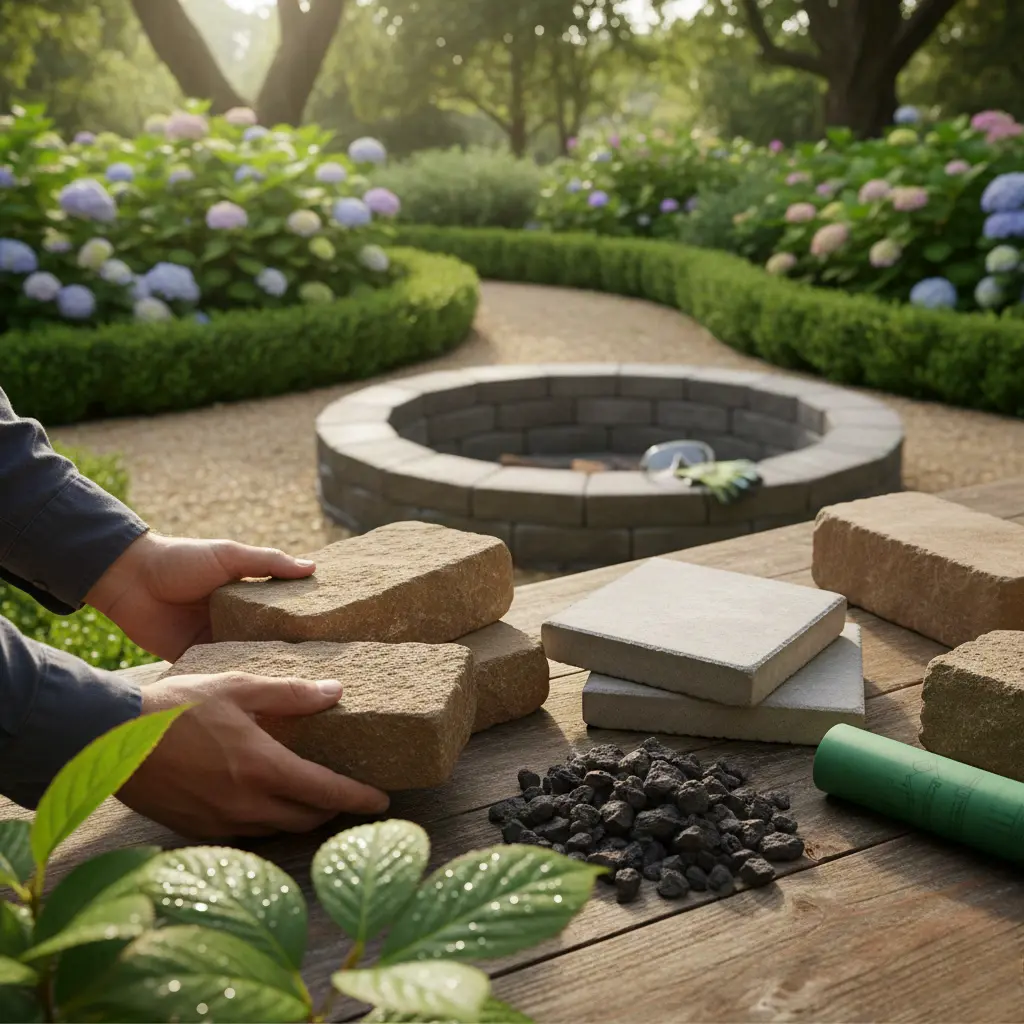
Material selection is the single biggest factor controlling your project cost. Here’s how to make smart choices.
Cheapest Materials for Fire Pit Landscaping
- Gravel Fire Pit Base: A gravel fire pit base is the most affordable and practical foundation you can choose. Pea gravel or crushed stone costs roughly $3–$5 per square foot and provides excellent drainage, heat resistance, and a clean, finished look. Spread it 2–4 inches deep across your fire pit area and you’re done.
- Concrete Retaining Wall Blocks: You can find these at any home improvement store, and they cost between $1 and $3 each. Put them in a circle to make a fire pit ring that works properly and looks surprisingly good. You don’t need any mortar for a basic construction because the bricks fit together naturally.
- Recycled Brick: Check local salvage yards, Facebook Marketplace, or Craigslist for free or cheap used bricks. Recycled brick has a warm, rustic look that actually looks better than many expensive alternatives.
- Concrete Pavers for the Seating Area: A simple circle of concrete pavers around your fire pit creates a defined patio area. Budget pavers run $1–$2 each and can be laid directly on compacted gravel with no concrete foundation required.
- Pressure-Treated Landscape Timbers: For edging or raised platform seating, landscape timbers are inexpensive and easy to work with. Cut them to length, secure with rebar, and you have clean, defined borders for your fire pit zone.
DIY Fire Pit Landscaping: Step-by-Step
Ready to get your hands dirty? Building a low cost fire pit landscape design is a weekend project that anyone can handle. Follow this DIY fire pit design step by step guide to ensure your project is a success.
Step 1: Safe Fire Pit Placement
First, look at the safety rules for your fire pit. Most cities say that the pit must be at least 10 to 20 feet away from your house, trees that hang over it, and fences. To make a circle with a 10-foot diameter, use a stake and a length of thread. This provides you with a lot of space for the fire pit and pit seating ideas.
Step 2: Dig and Level
Remove the grass (sod) within your circle. You only need to dig down about 2–3 inches. The goal is to create a flat, bare surface. Robert’s Complete Care recommends using a level to make sure the ground isn’t sloping, as this will make your chairs feel wonky later.
Step 3: Lay the Gravel Base
Fill the excavated area with a gravel fire pit base. This prevents weeds from growing and ensures water doesn’t pool when it rains. Tamp it down until it feels like a solid floor.
Step 4: Build the Ring
If you’re using concrete pavers, lay your first row in a circle. Make sure the stones touch. If you’re using a metal fire pit design, simply place the bowl in the center. For a built-in look, you can stack 3 layers of blocks, staggering the seams like bricks on a house for stability.
Step 5: Add the Finishing Touches
Add your seating, think Adirondack chairs or even log stumps for a rustic vibe. Finally, string some solar lights around the perimeter to finish your outdoor fire pit setups.
Fire Pit Landscaping for Small Backyards
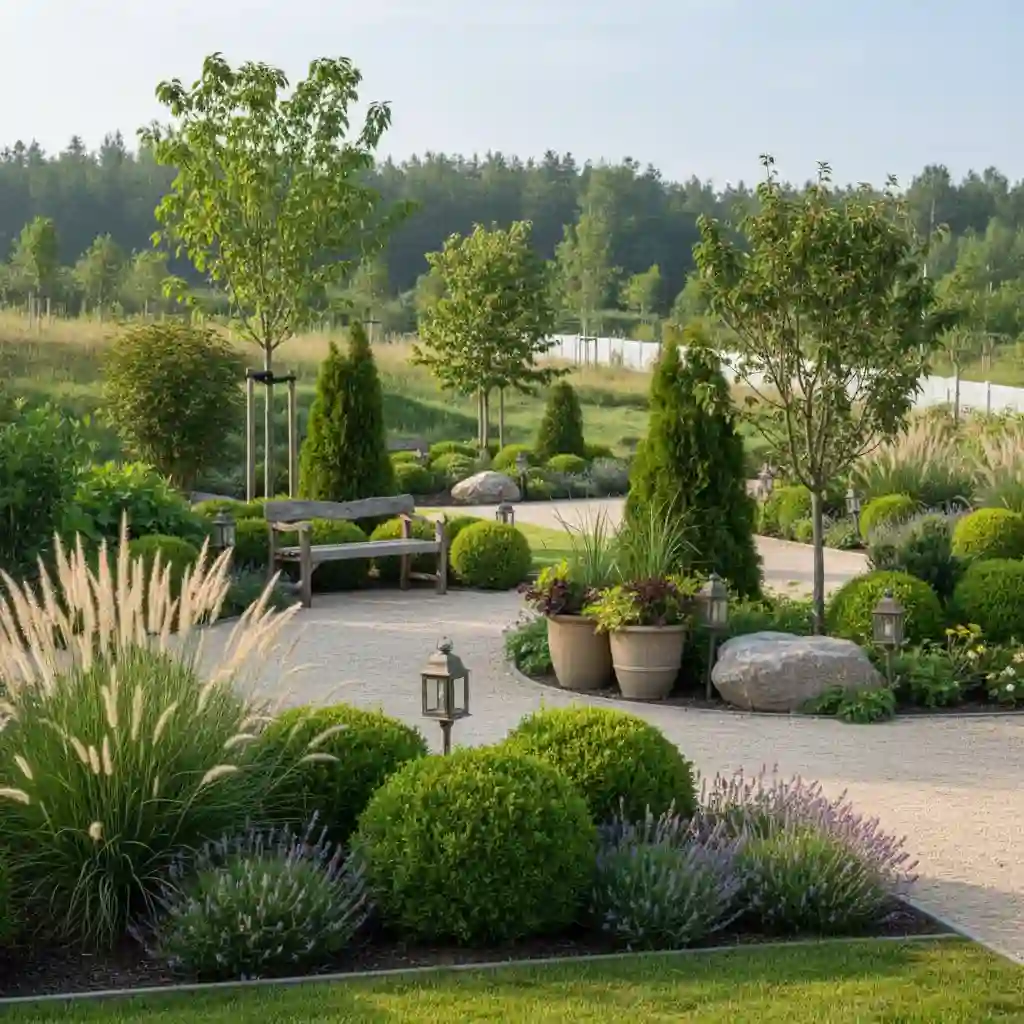
You need to pay greater attention to vertical space and things that can be used for more than one thing in small yards. Make your fire pit the main focus of the area and keep the seating around it small, such as built-in benches or foldable Adirondack chairs. Using fire pit landscaping ideas for tiny yards means not putting up big gates that make the area feel crowded. Use low-profile plants like decorative grasses to frame the area instead.
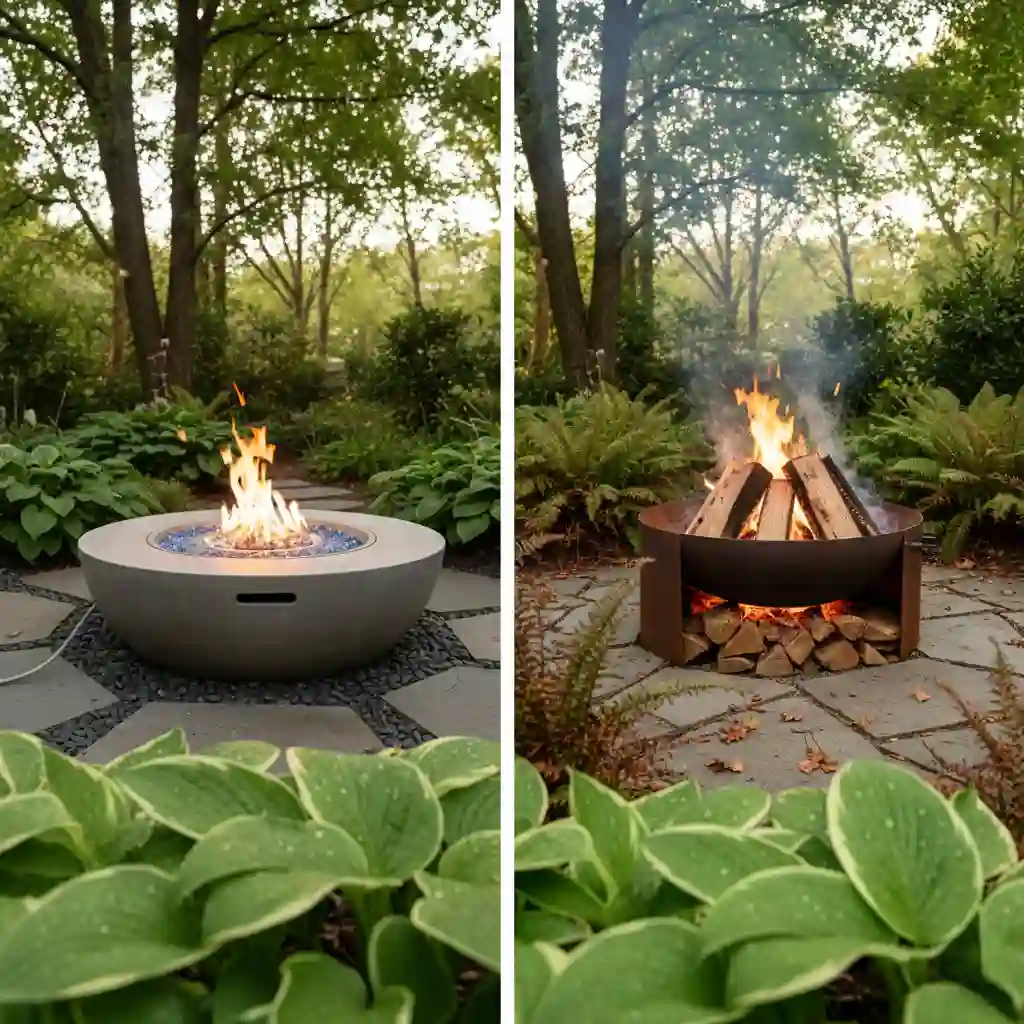
Gas vs. Wood Fire Pits: Budget Comparison
| Wood Fire Pit | Gas Fire Pit | |
| Upfront cost | Low ($50–$250 DIY) | High ($500–$3,000+) |
| Ongoing cost | Wood purchase | Gas/propane |
| Installation | No gas line needed | May need gas line |
| Smoke | Yes | No |
| Convenience | Build a fire each time | Instant on/off |
Budget pick: Wood-burning or portable propane. A portable propane fire pit table ($150–$400) is the sweet spot of clean burning, no installation, and moveable.
DIY vs Professional Fire Pit Installation
We enjoy a good do-it-yourself project, but sometimes it’s best to hire professionals. Robert’s Complete Care can make sure the job is done properly and satisfies all local building requirements if you have steep slopes, complicated drainage problems, or want a permanent natural gas connection installed.
Does having a fire pit raise your insurance costs? Yes, sometimes. You should always call your agent. Following the regulations for proper fire pit installation shouldn’t have a big effect on your rates. But a professional installation leaves behind a “paper trail” of safety that DIY constructions don’t.
Fire Pit Safety: What Every Homeowner Should Know
Safety is not optional. A beautiful fire pit that creates a hazard isn’t worth the risk.
Key Fire Pit Safety Rules
- Keep a water source nearby a garden hose or bucket of water at all times when the fire is burning
- Never use gasoline or lighter fluid to start or boost a fire in a pit
- Use a spark screen to prevent embers from floating onto dry grass or wood decking
- Fully extinguish the fire before going inside our water, stir ash, pour again
- Keep children and pets at a safe distance a perimeter of at least 3 feet around the fire pit
- Never burn treated wood, trash, or cardboard these release toxic fumes
Does Having a Fire Pit Increase Your Insurance?
This is a question that comes up a lot and deserves a clear answer. Permanent, built-in fire pits may need to be reported to your homeowner’s insurance provider and could slightly affect your premium. Portable fire pits typically do not need to be reported. The safest move is to call your insurance agent and ask before building most homeowners are pleasantly surprised to find the impact is minimal when proper safety features are in place.
Conclusion
A beautiful backyard fire pit is not reserved for big budgets. With the right low cost fire pit landscape design plan, smart materials, and a weekend of work, you can build an outdoor space that genuinely transforms how you use your yard. Starting simply a gravel base, a block ring, and a couple of chairs is all it takes to get going. Whether you’re doing it yourself or need a little guidance, the most important step is the first one. Your fire pit backyard is closer than you think.
Ready to bring your backyard vision to life? The team at Robert’s Complete Care is here to help. Whether you need a full outdoor living space built or just want expert advice on the best fire pit layout for your yard, we’d love to hear from you. Contact us today to schedule a free consultation and let’s design something you’ll love for years to come. Contact us, shoot us a message, or visit our website. We make the process simple, affordable, and stress-free from start to finish.
Frequently Asked Questions
What is the cheapest way to make a fire pit area?
The cheapest method is to use retaining wall blocks from a home improvement store as the pit ring and pea gravel as the surrounding surface. Total cost can be under $100 for a basic setup. Skip the mortar, skip the concrete base, and focus on keeping it simple.
How do you landscape around a fire pit?
Start with a gravel or paver base in a circle around the pit. Edge that circle with steel edging or landscape blocks. Then plant low-maintenance, fire-resistant plants (nothing with resin or sap) in the beds surrounding the hardscaped area.
What are some inexpensive fire pit ideas?
Repurposed washing machine drum fire pits, stacked concrete block rings, old metal wheel rims sunk into the ground, and salvaged brick circles are all popular low-cost options that look great and cost almost nothing.
Is it cheaper to build or buy a fire pit?
Building is cheaper if you use basic materials like concrete blocks or salvaged bricks. Buying a pre-made pit is convenient and still affordable. A decent steel bowl pit can be found for under $75. Building allows for more customization; buying saves time.
Do I need a permit for a fire pit?
It depends on your location and whether the pit is permanent or portable. Portable pits rarely need permits. Permanent in-ground or gas fire pits often do. Always check with your local municipality before starting.
Does having a fire pit increase your insurance?
Possibly, but usually minimally. Report permanent structures to your insurer. Portable pits generally don’t need to be disclosed. Safety features like spark screens and proper placement can help keep any premium impact low.