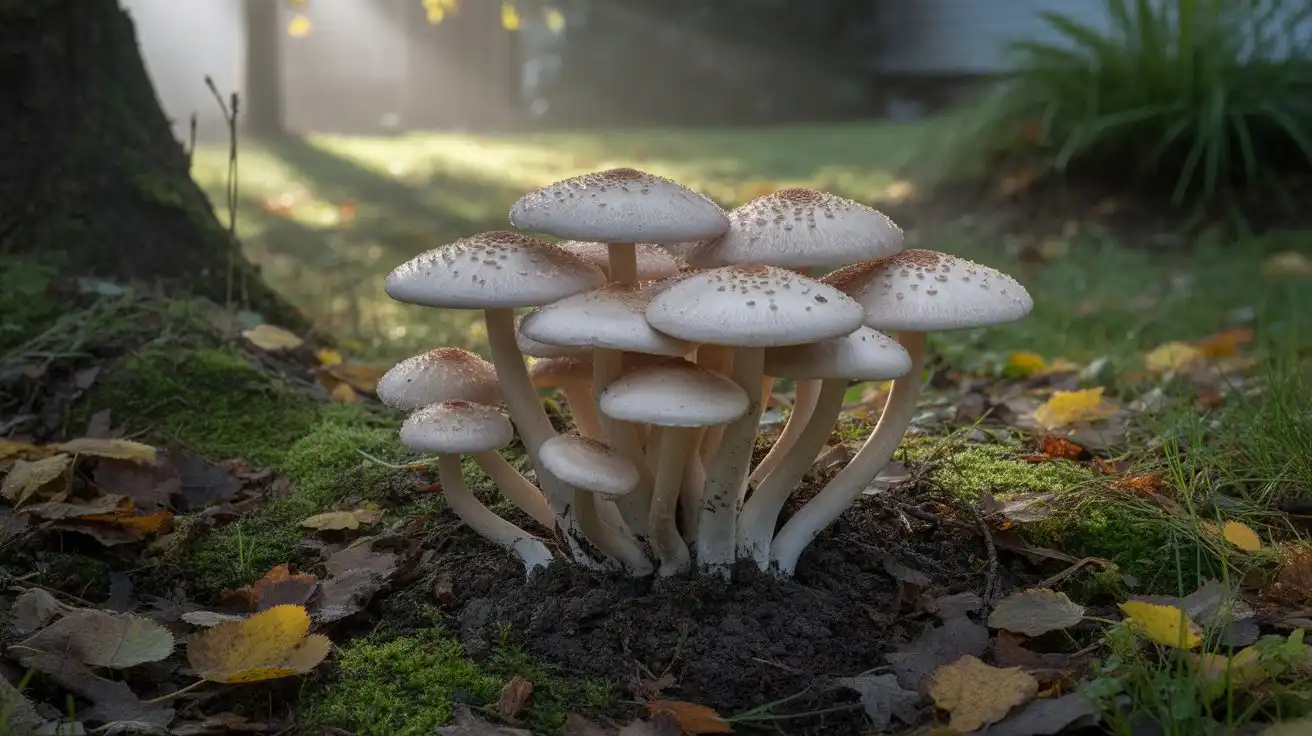
You wake up one morning, step outside with your coffee, and there they are a fresh cluster of mushrooms popping up right in the middle of your lawn. It feels like they appeared out of nowhere overnight. If that sounds familiar, you’re not alone. Millions of homeowners deal with this exact problem every season, and most don’t know whether to panic, pull them, or just leave them alone.
The good news? Learning how to get rid of mushrooms in yard spaces is very doable and most of the time, you don’t even need a professional. This guide breaks down exactly why mushrooms appear, which ones are dangerous, and the fastest and most lasting ways to remove them for good.
How to Identify, Get Rid of, and Prevent Lawn Mushrooms in Your Home Garden
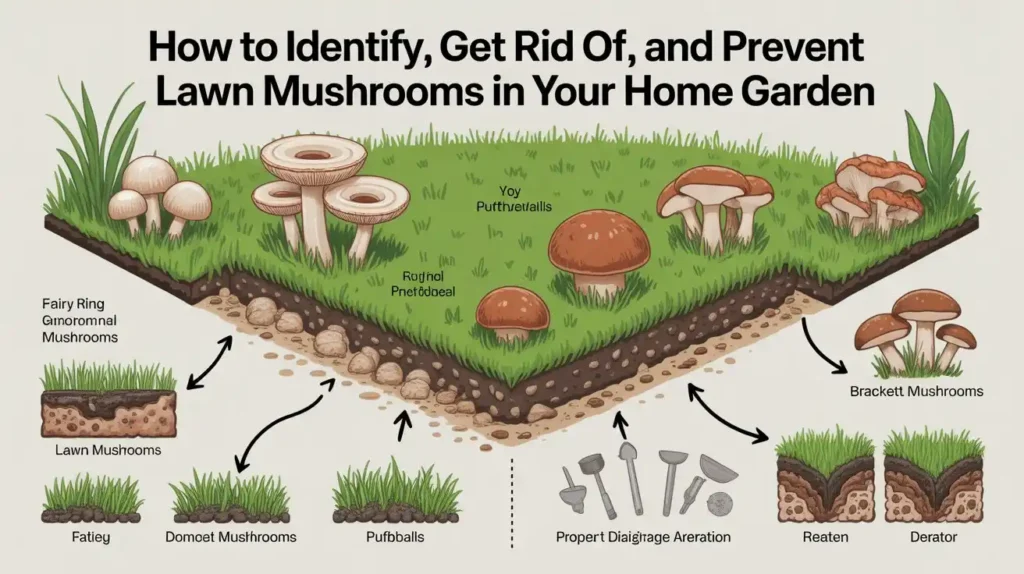
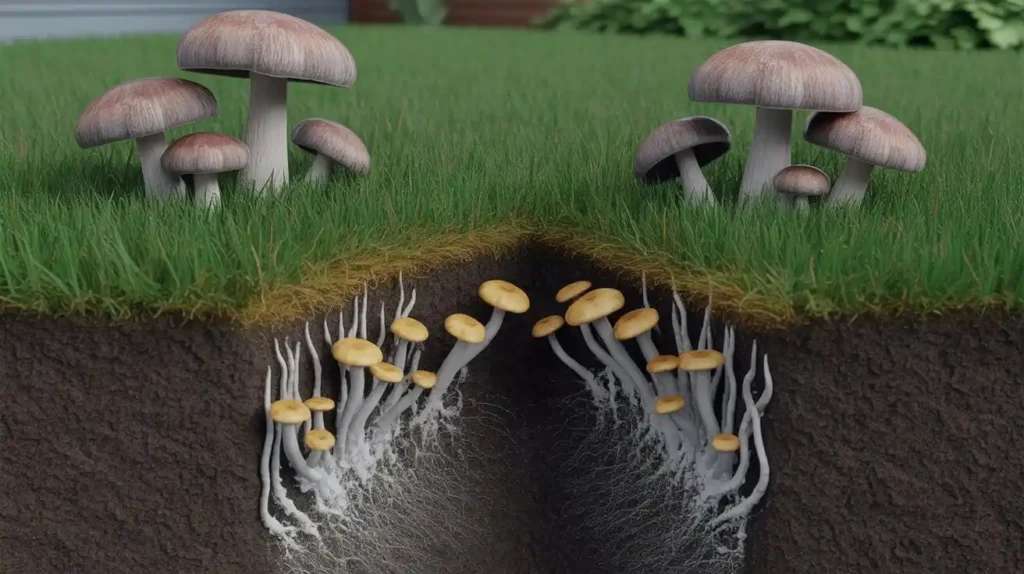
You need to know what mushrooms are and why they pop up in the yard before you can figure out how to get rid of mushrooms in the yard. Mycelium, the root system of lawn mushrooms, spreads into the soil as the fungus grows, feeding on organic matter such as decaying roots, rotting wood, and heavy thatch. There is a considerably bigger system going on beneath the surface of the earth than just the mushrooms you can see above ground. The source is usually still active on Earth, even though they fade away fast.
Common Varieties of Outdoor Mushrooms
The majority of yard mushrooms are brown in colour and often pose no health risks; however, they have the potential to discolour your lawn. Due to the abundant moisture in the soil, little white or tan mushrooms often appear after a rain. Because of their spherical growth patterns, fairy ring mushrooms have the potential to deplete the grass of its nutrients and water supply. Most mushrooms on lawns grow quickly and go away after a day or two, but if you don’t water your lawn regularly, you might see them come again.
Are Mushrooms Bad for My Lawn and Why Are They Growing There?
Mushrooms are not bad for your grass. In fact, they often signal that your soil is biologically active and breaking down organic matter properly. The fungi feeding underground actually help decompose dead roots and wood, slowly returning nutrients to the soil. The real concern is whether they’re toxic to kids or pets.
That said, a heavy mushroom outbreak can hint at underlying lawn problems like poor drainage, compacted soil, or buried organic debris. So while mushrooms themselves aren’t hurting your grass, what’s causing them might be worth looking into.
Why Mushrooms Keep Appearing
Mushrooms are the fruiting bodies of underground fungi called mycelium. Think of them like apples on a tree the tree (mycelium) lives underground, and the mushrooms are just what you see above the surface.
They show up when conditions are right: moisture, shade, warm temperatures, and decaying organic matter beneath the surface. Common triggers include:
- Buried tree stumps or old roots
- Dead thatch buildup in the lawn
- Overwatering or poor drainage
- Recently laid topsoil containing wood chips or organic material
- Animal waste left on the lawn
Lastly, are lawn mushrooms toxic?
Most lawn mushrooms are not toxic to humans, but you should treat every wild mushroom as potentially dangerous until you can positively identify it. Some species that commonly appear in yards like Amanita phalloides (death cap) are deadly even in small amounts. If children or pets spend time in your yard, removal is the safest choice.
Never let a child or pet chew on a backyard mushroom. Even seasoned foragers make misidentification mistakes. If you suspect someone has eaten a lawn mushroom,
Common Lawn Mushroom Types
Here are a few species you’re likely to encounter:
- Fairy ring mushrooms (Marasmius oreades) appear in circular patterns, mildly toxic if ingested
- Inky caps (Coprinoid species) dark, ink-like gills, not usually dangerous unless consumed with alcohol
- Puffballs generally edible when young and fully white inside, but risky to identify without expertise
- Amanita species some are deadly; wide variety of appearances, often white or tan
The Mysterious Mushrooms in Your Yard: What Gives? (Science in a Nutshell)
Mushrooms grow from fungal spores in soil. Subterranean mycelium networks are formed when spores detect food, shade, and moisture. The mushroom you see is just the fruiting body.
As an analogy, consider an apple tree:
- Tree = mycelium
- Apples are synonymous with mushrooms.
Removing only the mushroom doesn’t remove the problem. This is why learning how to get rid of mushrooms in lawn requires treating soil conditions, not just surface growth.
Are Mushrooms Bad for Grass and Soil?
In a nutshell, no. Mushrooms often do not damage dirt or grass. They can aid in soil improvement by decomposing organic materials and releasing nutrients back into the earth. On the other hand, a persistent mushroom problem could be an indication of deeper issues like excessive moisture, strong shadow, or poor lawn drainage. Over time, these factors can make grass weaker and make lawn diseases more likely to occur. Although mushrooms in and of themselves won’t harm your grass, neglecting the factors that generate them can result in more significant and expensive issues down the road.
Quick Ways to Get Rid of Things (Fast Results)
If you want them gone today, here are the most effective immediate approaches.
1. Hand-Pull and Dispose
The fastest method. Pull mushrooms by hand or use a trowel, getting as much of the base as possible. Bag them in a sealed plastic bag — don’t compost them, as spores can spread.
Do this before they open and release spores. Once a mushroom caps and opens, spores are already airborne.
2. Mow Them Down
Mowing breaks up mushrooms before they fully sporulate. It won’t eliminate the mycelium, but it reduces spore spread and cleans up the appearance quickly.
Run the bag attachment on your mower to collect the clippings. Don’t mulch mushroom clippings back into the lawn.
3. Dish Soap and Water
Mix 2 tablespoons of dish soap per 3 gallons of water. Poke holes around the mushroom cluster with a screwdriver or aerator, and pour the solution directly into the soil.
The soap disrupts the mycelium’s cell membrane structure. It’s not foolproof, but it works reasonably well for isolated clusters and costs almost nothing.
4. Baking Soda
Dissolve 1 tablespoon of baking soda per gallon of water and apply to the affected area. Baking soda raises soil pH temporarily, creating a less hospitable environment for fungal growth.
This works best as a follow-up after removal, not as a standalone fix.
Environment Modification (Best Long-Term Strategy)
Pulling mushrooms without changing conditions is like mopping the floor while the tap is still running. Here’s how to fix the root causes.
Remove Buried Organic Debris
This is the most important step. Dead stumps, old roots, buried wood scraps, and thick thatch are feeding the fungus. You need to remove them physically.
For old tree stumps, consider stump grinding. The ground-up material should be removed entirely from the yard, not left as mulch.
Improve Drainage
Mushrooms love wet conditions. If your lawn stays soggy after rain, you’ve got a problem that will keep feeding fungal growth. Options include:
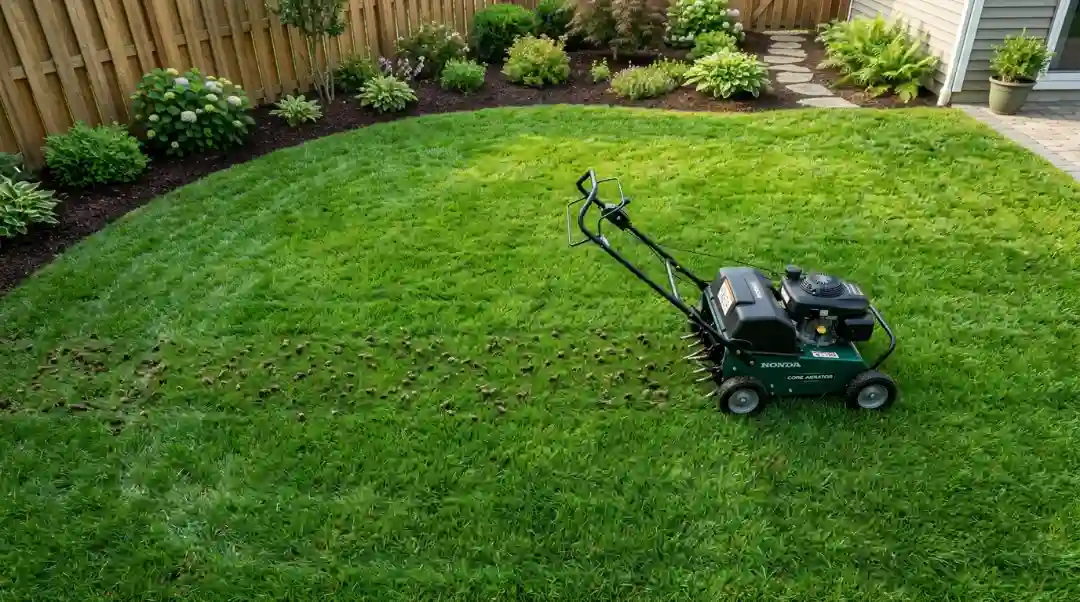
- Aerating compacted soil each fall
- Grading to direct water away from problem areas
- Installing French drains in chronically wet zones
Reduce Shade and Improve Air Circulation
Fungi thrive in cool, shaded, damp spots. Trim back overhanging branches. Open up shaded areas to more sunlight and airflow wherever possible.
Dethatch Your Lawn
A thick thatch layer dead grass stems and organic matter sitting on top of the soil — is perfect fungal habitat. Dethatching once or twice a year removes this food source.
Rent a power dethatcher or hire a lawn service to do it efficiently. A thatch layer under half an inch is healthy; above that, it becomes a problem.
Adjust Your Watering Schedule
Overwatering is one of the top reasons mushrooms persist. Water deeply but less frequently. Allow the top 2-3 inches of soil to dry out between watering sessions.
Morning watering is ideal. Evening watering leaves the lawn damp overnight — exactly when fungi are most active.
Do you need lawn fungicide solutions?
Fungicides are rarely necessary for lawn mushrooms and are often ineffective against mycelium. Most over-the-counter products treat leaf fungal diseases, not the underground networks that produce mushrooms. However, in severe or recurring cases involving fairy rings, a professional-grade fungicide applied by a licensed lawn care specialist can help.
If you’re considering fungicide, look for products containing azoxystrobin or flutolanil, which have some efficacy against fairy ring fungi specifically. Always follow label directions, and keep children and pets off treated areas during the application window.
Home remedies like vinegar are sometimes suggested online, but high-concentration vinegar can damage grass roots. Skip it unless you want brown patches alongside your mushrooms.
Let the Experts Take Care of the Mushrooms in Your Yard
If mushrooms keep growing back year after year, it usually means there are bigger problems with your lawn that need a professional to fix. Lawn care professionals may check your soil, address drainage issues, do deep aeration, and repair irrigation faults that make it easier for fungi to thrive. For homeowners seeking dependable Lawn Care and Maintenance in Whittier, working with experienced local professionals ensures mushrooms are treated at the root level, not just removed from the surface.
Why Choose Us
Robert’s Complete Care knows that lawn problems are not always the same for everyone. Mushroom growth is sometimes a sign of bigger issues, such as soil compaction, poor drainage, or watering blunders.
We pay attention to:
- Health of the lawn over time
- Lawn care products that are safe for pets
- Proven ways to keep things running
- Recommendations from honest experts
We don’t simply want to get rid of mushrooms; we also want to keep them from coming back.
Conclusion
Learning how to get rid of mushrooms in yard, you need first to understand why they develop and how to fix the things that let them flourish. Mushrooms don’t usually hurt plants, but if they keep coming back, it could be because of too much water, bad drainage, compacted soil, or organic matter building up. Quick fixes make things look better, but long-term effects come from watering the lawn correctly, aerating the soil, fixing drainage problems, and taking care of the lawn on a regular basis.
Contact us now if mushrooms keep coming back or if you want professional help keeping your grass healthy and clear of mushrooms. The people at Robert’s Complete Care are ready to look at your lawn, correct the problems at their source, and keep your yard looking great all year long.
FAQs
Why do mushrooms keep coming up in my yard?
Because there is still moisture, shade, and organic waste underground.
Are mushrooms terrible for my yard?
They don’t hurt grass directly, but they do mean that the lawn needs maintenance.
How can I stop mushrooms from coming back?
Make the soil drain better, add air to it, clean up the trash, and change the watering schedule.
How can you safely kill mushrooms near pets?
The safest way is to remove them by hand and wash them with mild soap.
Do home remedies really work?
They get rid of mushrooms that can be seen, but they don’t treat the problem at its source.